
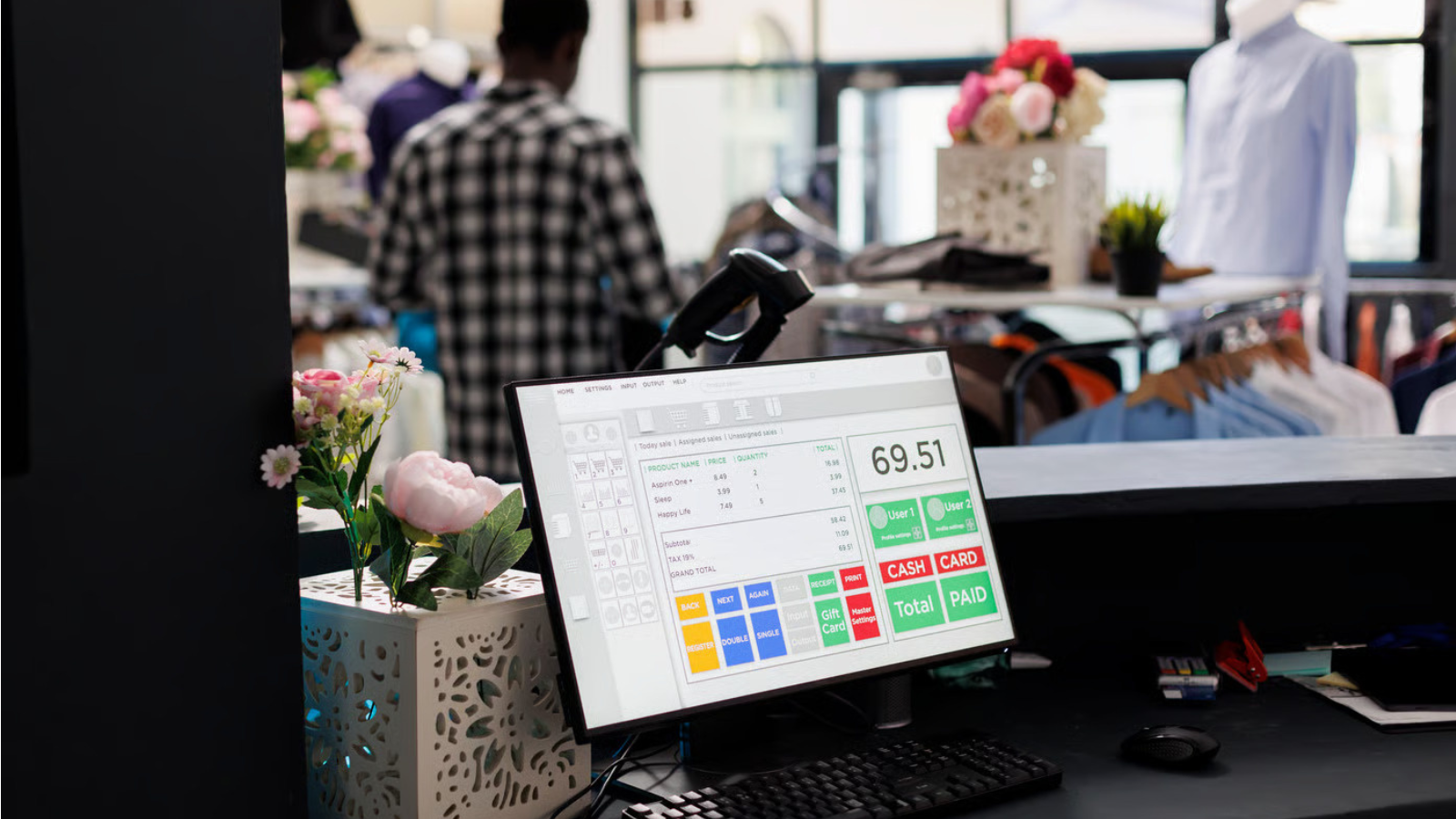
Many retailers begin with a basic billing system because it is simple and affordable. However, as the business grows, standalone software often struggles to keep up with increasing operational demands. Businesses searching for the pos system for retail store in India are no longer looking only for faster billing. They seek solutions that increase inventory visibility, reporting, customer management, and efficiency. Rather than viewing billing as a separate task, retailers are now considering the role that connectivity plays in aiding their growth.
Why Standalone Billing Software Creates Business Challenges
A billing system records sales, but it rarely provides a complete picture of business operations. Retailers often use separate applications for inventory, purchasing, accounting, and customer records. This creates disconnected data, requiring employees to update information manually across different systems.
As a result, businesses may experience stock mismatches, delayed reporting, duplicate data entry, and slower decision-making. Managers spend valuable time verifying information instead of focusing on improving store performance or customer experience. These operational gaps become more noticeable as product ranges expand or multiple outlets are added.
The Impact on Inventory and Daily Operations
In retail business, inventory accuracy is critical. If the billing software does not link up with inventory software, the goods can be shown to be on hand even after the sale is made. In addition, the purchase department will place orders of goods unnecessarily due to the delay in updating the inventory report.
When selecting the pos software for retail in India, many businesses consider programs that automatically update the inventory following every transaction. This will help minimize manual efforts, improve the accuracy of stock management, and provide managers with better insights about quick and slow-moving goods. Proper inventory information helps make proper purchasing decisions, which ensure that organizations avoid unnecessary expenses but do not lack goods.
Modern retail management will benefit from having an interconnected process of sales, inventory, and purchasing operations.
Why Omnichannel Order Management Matters
Retail orders now come from more than physical stores. Customers may purchase products through a brand website, online marketplace, or quick-commerce platform. If orders from multiple sources are not managed together, there is a chance of getting conflicting stock issues and cancelled orders because of delays. The integrated solution can aggregate orders from various sources into one workflow while keeping stock information updated.
Integration with quick-commerce platforms and marketplaces also gives retailers better control over order processing. Synchronized sales and inventory can help companies avoid problems like selling an out-of-stock product or making delivery mistakes. This creates a more consistent customer experience across both online and offline sales channels.
Disconnected Systems Can Slow Business Decisions
There is a lot of data that retail businesses create daily. Sales performance, consumer preferences, inventory management, and buying trends affect decision-making within an organization. Nevertheless, if there is too much data in different software solutions, report creation can take a lot of time.
Real-time information is necessary for business owners in order to react in accordance with the changes in the market environment. Integrated business platforms allow departments to operate with the same data and facilitate reporting.
Solutions such as CW Suite reflect this approach by bringing multiple business functions together through a unified platform, helping businesses improve operational visibility without relying on disconnected applications.
Choosing a POS System That Supports Business Growth
A POS system should keep up with the business even as operations become increasingly complicated. Whether the retail company decides to expand into other stores, offer new product lines, or enhance customer experience, technology should be making things easier, not harder, for the management.
While deciding on pos software for retail in India, one should not only consider the speed of processing bills. Other factors that one should consider include integration, stock synchronization, reports, and scalability. This will help one avoid future problems and prepare for the changes in customer demand.
Conclusion
The standalone billing solution may be sufficient for a small-scale retail enterprise, but companies in need of expansion will find the need for visibility and coordination between different departments important. Selecting software that links up sales, inventory, purchases, and reporting can increase efficiency and prepare for expansion down the road. Businesses evaluating modern retail solutions can include CW Suite in their research to better understand how an integrated business management platform supports connected retail operations.
FAQs
1. Why is a standalone billing system not enough for growing retailers?
Standalone billing systems manage transactions but often lack integration with inventory, procurement, and reporting, making it difficult to maintain accurate business information as operations grow.
2. What should businesses look for in a modern POS system?
Businesses should evaluate inventory integration, real-time reporting, scalability, centralized data management, and the ability to support multiple stores and changing operational requirements.
3. How does integrated POS software improve retail operations?
Integrated POS software connects sales with inventory, finance, and procurement, reducing manual work, improving data accuracy, and helping businesses make faster, more informed decisions.